The Complete Beginner’s Guide to Ragdoll Cat Care
Ragdoll cats are known for their beautiful appearance, gentle temperament, and affectionate nature. If you are considering getting a ragdoll cat as a pet, it is essential to understand the specific care requirements of this breed. In this comprehensive guide, we will cover everything you need to know about caring for a ragdoll cat, from feeding and grooming to exercise and veterinary care.
History and Characteristics of Ragdoll Cats
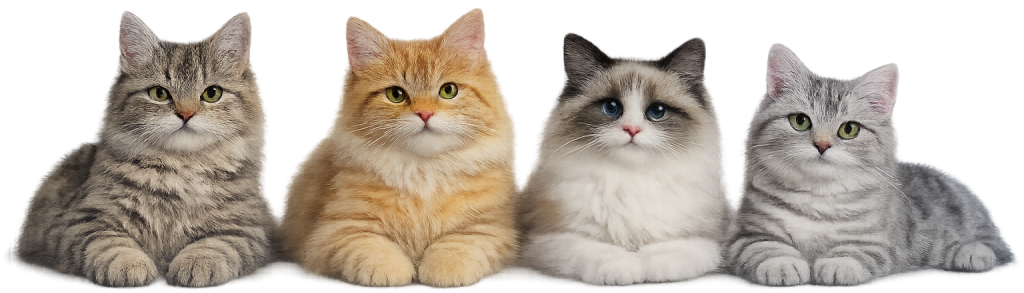
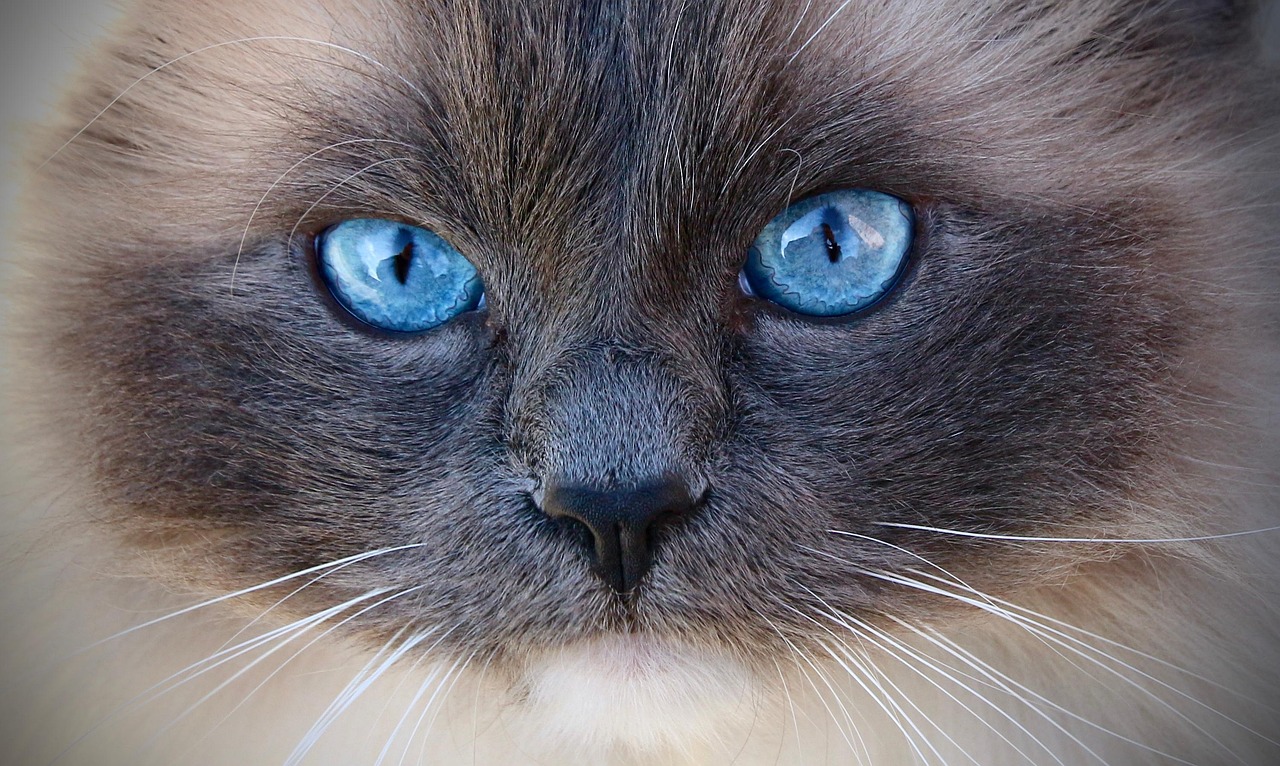
Ragdoll cats are a relatively new breed, originating in the 1960s in California. They are known for their striking blue eyes, silky fur, and large size. Ragdolls have a docile and friendly personality, making them great companions for families and individuals alike. They also get their name from their tendency to go limp in their owner’s arms when picked up, resembling a ragdoll toy.
Feeding Your Ragdoll Cat
Proper nutrition is essential for the health and well-being of your ragdoll cat. It is recommended to feed your cat a high-quality, balanced diet that meets their specific nutritional needs. Ragdolls are prone to obesity, so it is crucial to monitor their food intake and avoid overfeeding. Consult with your veterinarian to determine the best feeding schedule and portion sizes for your cat.
Grooming Your Ragdoll Cat
Ragdoll cats have a semi-long coat that requires regular grooming to prevent matting and tangles. It is recommended to brush your cat’s fur at least once a week to remove loose hair and debris. Additionally, regular grooming can help reduce shedding and minimize the risk of hairballs. Trim your cat’s nails as needed to prevent them from becoming ingrown or causing damage to furniture.
Exercise and Playtime
Despite their laid-back demeanor, ragdoll cats still require regular exercise and mental stimulation to stay healthy and happy. Provide your cat with interactive toys, scratching posts, and climbing structures to encourage physical activity and prevent boredom. Spend quality time playing with your cat to strengthen your bond and promote overall well-being.
Environmental Enrichment
Creating a stimulating environment for your ragdoll cat is essential to prevent behavioral issues and promote mental stimulation. Provide your cat with plenty of vertical space to explore, such as cat trees and shelves. Offer hiding spots, cozy beds, and interactive toys to keep your cat entertained. Consider rotating toys and rearranging furniture periodically to prevent boredom.
Health and Veterinary Care
Regular veterinary check-ups are essential for maintaining your ragdoll cat’s health and detecting any potential issues early on. Vaccinations, parasite prevention, and dental care are crucial aspects of your cat’s overall well-being. Monitor your cat’s eating, drinking, and litter box habits for any changes that may indicate a health problem. Seek veterinary attention promptly if you notice any concerning symptoms.
Common Health Issues
Ragdoll cats are generally healthy, but like all breeds, they are susceptible to certain health issues. Some common health problems that may affect ragdoll cats include heart disease, kidney disease, and dental issues. Regular veterinary care and a healthy lifestyle can help reduce the risk of these conditions and ensure your cat’s longevity.
Ragdoll Cat Behavior
Understanding your ragdoll cat’s behavior is key to providing effective care and building a strong bond with your pet. Ragdolls are social and affectionate cats that thrive on human interaction. They are known for their gentle and docile nature, making them great companions for households with children and other pets. Respect your cat’s boundaries and provide them with a safe and comfortable environment to encourage positive behavior.
Training and Socialization
Ragdoll cats are intelligent animals that can be trained to obey commands and learn new behaviors. Use positive reinforcement techniques, such as treats and praise, to encourage good behavior and discourage undesirable habits. Socialize your cat from a young age to help them feel comfortable in various environments and interact positively with people and other animals.
Conclusion
Caring for a ragdoll cat requires patience, love, and dedication. By understanding their specific needs and providing a nurturing environment, you can ensure a happy and healthy life for your beloved pet. Remember to consult with your veterinarian for personalized advice and guidance on caring for your ragdoll cat. With proper care and attention, your ragdoll cat will thrive and bring joy to your home for years to come.