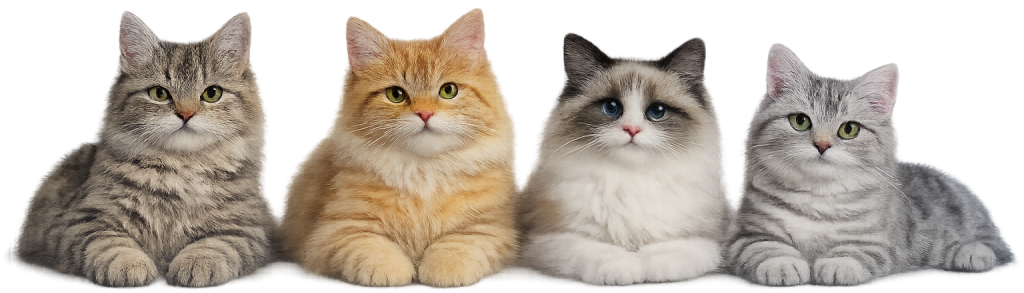
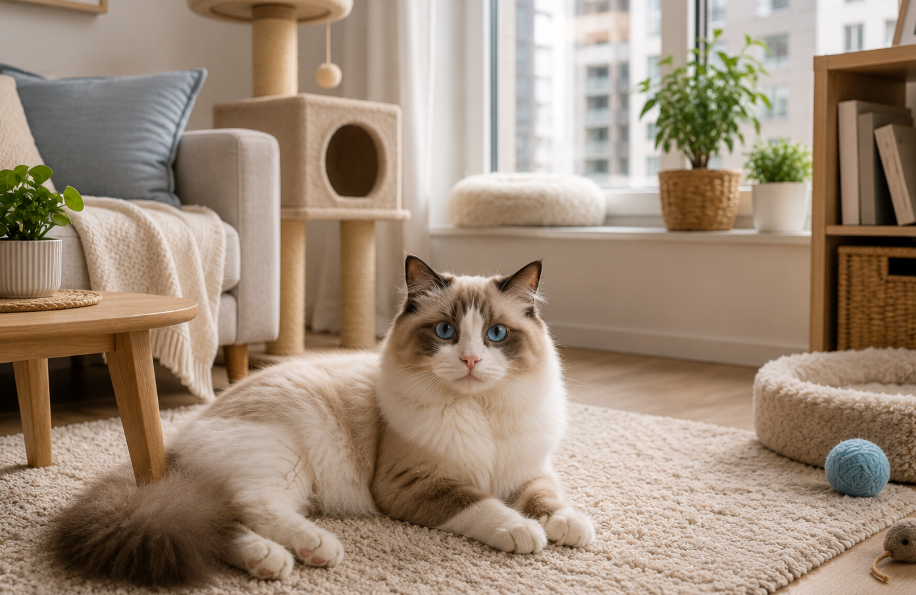
Many cat lovers wonder whether Ragdoll cats apartments owners choose truly adapt well to smaller indoor spaces. Fortunately, Ragdolls are widely considered one of the best cat breeds for apartment living because of their calm personality, affectionate behavior, and relaxed activity levels. Unlike highly energetic breeds that require constant stimulation, Ragdolls usually enjoy peaceful indoor environments and close companionship with their owners.
Their gentle temperament makes them especially appealing for apartment dwellers seeking a quiet and social pet. Ragdolls often prefer staying near people instead of climbing excessively or causing chaos around the home. Because of this, they typically settle comfortably into smaller living spaces when their emotional and physical needs are met properly.
However, apartment living still requires preparation and thoughtful care. Even though Ragdolls remain relatively low-maintenance in some areas, they still need mental stimulation, grooming, exercise, and safe indoor environments to stay healthy and happy.
Understanding how Ragdoll cats apartments owners raise successfully helps potential owners decide whether this breed fits their lifestyle, space, and daily routine.
Why Ragdolls Adapt Well to Apartment Life
Ragdolls naturally possess calm and easygoing personalities. While many cat breeds enjoy constant climbing or high-energy activity, Ragdolls usually prefer gentle interaction and relaxed indoor routines.
Their quieter nature often makes them ideal for shared walls and smaller living environments. Most Ragdolls do not vocalize excessively or display highly destructive behavior when their needs are met consistently.
These cats also form strong emotional bonds with people. Instead of demanding constant outdoor stimulation, many Ragdolls prefer following owners around the home, lounging nearby, or resting peacefully beside them.
Their moderate activity levels support apartment living as well. Although they still enjoy playtime, Ragdolls generally do not require massive spaces to burn energy compared to more athletic breeds.
Indoor lifestyles often suit them naturally because they tend to trust strangers and lack strong outdoor survival instincts. For safety reasons, many breeders and veterinarians actually recommend keeping Ragdolls indoors full-time.
Routine plays another important role. Ragdolls often thrive in stable, predictable environments where feeding, playtime, and attention happen consistently each day.
Because of these traits, Ragdoll cats apartments owners keep indoors frequently adjust comfortably to smaller homes while remaining affectionate and emotionally balanced.
The Personality Traits That Make Ragdolls Popular
One reason Ragdolls remain so popular involves their famously affectionate personalities. These cats often behave more like companions than independent pets, which makes them highly appealing for apartment living.
Many Ragdolls enjoy being carried or held gently. In fact, the breed earned its name because some individuals relax heavily when picked up. Although not every Ragdoll behaves identically, most display unusually calm body language.
They also tend to interact well with families, singles, and seniors alike. Their adaptable nature allows them to bond comfortably with many different household types.
Unlike highly territorial breeds, Ragdolls often tolerate visitors calmly. In apartment settings where neighbors, maintenance workers, or guests appear occasionally, this relaxed attitude becomes especially valuable.
Their social behavior extends to other pets too. Many Ragdolls coexist peacefully with dogs or other cats when introductions happen gradually.
However, these cats dislike prolonged isolation. Because they bond closely with humans, they may become lonely or bored if left alone constantly without stimulation.
The affectionate nature that defines Ragdoll cats apartments owners appreciate most often creates strong emotional companionship within smaller living spaces.
Space Requirements for Indoor Ragdolls
Although Ragdolls adapt well to apartments, they still require thoughtful environmental enrichment. Smaller homes can absolutely work successfully, but cats still need opportunities for movement, play, and exploration.
Vertical space becomes especially important. Cat trees, wall shelves, and climbing towers help create additional territory without requiring large floor areas. Many Ragdolls enjoy elevated resting spots where they can observe their surroundings comfortably.
Window access also improves apartment living significantly. Cats often enjoy watching birds, sunlight, and outdoor activity from secure indoor locations. Window perches provide both entertainment and mental stimulation.
Open floor space for short play sessions helps maintain healthy weight and mobility too. Although Ragdolls remain calmer than many breeds, they still benefit from interactive movement daily.
Owners should also create quiet retreat areas where cats can rest undisturbed. Soft beds, covered hideouts, or cozy corners help reduce stress and support emotional comfort.
Litter box placement matters as well. Apartments sometimes limit layout options, but litter areas should remain quiet, clean, and easily accessible.
With proper setup, Ragdoll cats apartments owners raise indoors can enjoy healthy and comfortable lives even within smaller spaces.
Exercise and Playtime in Small Homes
Ragdolls may not display extreme energy levels, but regular exercise still remains important for their physical and emotional health. Indoor apartment living requires owners to encourage activity intentionally because natural outdoor stimulation stays limited.
Interactive toys help maintain healthy movement. Feather wands, soft balls, tunnels, and puzzle toys encourage natural hunting instincts while providing mental engagement.
Short play sessions throughout the day usually work better than one long session. Many Ragdolls prefer moderate activity followed by extended relaxation periods.
Laser toys may encourage running temporarily, although owners should always finish sessions with physical toys cats can actually catch. This helps prevent frustration.
Climbing furniture supports exercise naturally too. Even calmer cats benefit from stretching, jumping, and exploring vertical territory.
Some Ragdolls enjoy leash training and supervised hallway walks, although personalities vary widely. Safe indoor adventures may provide additional stimulation for confident cats.
Owners should also monitor weight carefully. Apartment cats sometimes become less active, which increases obesity risk if portions remain excessive.
Balanced routines help Ragdoll cats apartments owners care for maintain healthy body condition and emotional well-being despite smaller living spaces.
Grooming Needs Inside Apartments
Ragdolls possess long, silky coats that require regular grooming. Fortunately, their fur usually mats less severely than some other long-haired breeds because it lacks dense undercoat texture.
Still, brushing remains important several times weekly. Routine grooming helps remove loose hair, reduce shedding, and prevent tangles from developing over time.
Apartment living sometimes makes shedding more noticeable because fur accumulates faster in smaller spaces. Regular brushing reduces hair buildup on furniture, floors, and clothing.
Many Ragdolls tolerate grooming calmly, especially when introduced early. Gentle brushing sessions may even strengthen bonding while helping cats relax.
Nail trimming matters too. Indoor cats rely heavily on scratching posts to maintain claws, but occasional trimming still helps protect furniture and flooring.
Owners should also monitor eye cleanliness and dental health regularly. Long-haired breeds sometimes experience tear staining or oral health issues without proper maintenance.
Vacuuming and air filtration can improve apartment cleanliness as well, especially during seasonal shedding periods.
Consistent grooming helps Ragdoll cats apartments owners keep indoors stay comfortable while maintaining cleaner and healthier living environments overall.
Noise Levels and Neighbor-Friendly Behavior
Apartment owners often worry about noisy pets disturbing nearby neighbors. Fortunately, Ragdolls usually rank among the quieter cat breeds.
Most Ragdolls vocalize softly and infrequently compared to more talkative breeds such as Siamese cats. While they may communicate during feeding or attention-seeking moments, excessive loud meowing remains relatively uncommon.
Their calm personality also reduces destructive behavior risk. Ragdolls typically avoid frantic climbing, aggressive scratching, or hyperactive nighttime behavior when mentally stimulated properly.
However, boredom may still create unwanted habits. Cats lacking attention or enrichment sometimes scratch furniture or seek stimulation through mischief. Interactive play and routine companionship usually reduce these issues substantially.
Because Ragdolls enjoy human interaction strongly, owners working long hours may consider a second pet companion if loneliness becomes noticeable.
Quiet behavior makes Ragdoll cats apartments owners prefer especially suitable for buildings with shared walls or close neighbors.
Potential Challenges of Apartment Living
Although Ragdolls adapt well to apartments overall, owners should still understand potential challenges before bringing one home.
Loneliness remains one concern. Since Ragdolls form strong emotional attachments, they may struggle if left alone for extremely long periods daily.
Their trusting personality also creates safety concerns outdoors. Ragdolls often lack strong survival instincts and may approach strangers too easily. Therefore, secure indoor living becomes especially important.
Large body size presents another consideration. Adult Ragdolls grow much larger than many other domestic cats, especially males. Apartments should still provide enough room for movement and comfortable resting areas.
Grooming commitment may surprise some owners too. Long coats require consistent maintenance to avoid matting and excessive shedding.
Financial responsibility matters as well. High-quality food, grooming tools, veterinary care, and enrichment products all contribute to long-term expenses.
Despite these challenges, most owners find the affectionate companionship outweighs the extra responsibility involved.
Understanding these realities helps people decide whether Ragdoll cats apartments owners love truly match their lifestyle expectations.
How to Create a Happy Apartment Environment
Creating a cat-friendly apartment environment helps Ragdolls stay mentally and physically healthy indoors. Fortunately, simple adjustments often make significant differences in comfort and enrichment.
Vertical territory remains one of the best improvements owners can add. Cat shelves, climbing towers, and window hammocks expand usable space dramatically.
Routine feeding schedules help create stability as well. Ragdolls generally thrive when meals, playtime, and attention happen consistently each day.
Interactive play supports emotional wellness too. Daily engagement prevents boredom while strengthening owner-cat relationships.
Scratching surfaces should remain available in multiple locations. Cats naturally scratch for exercise, stress relief, and claw maintenance. Providing appropriate outlets protects furniture while supporting natural behavior.
Safe hiding spaces matter as well. Quiet resting zones help cats retreat comfortably during stressful moments or noisy apartment activity.
Owners should also secure windows and balconies carefully. Ragdolls may show curiosity without fully understanding environmental dangers.
Thoughtful preparation helps Ragdoll cats apartments owners raise feel secure, entertained, and emotionally balanced indoors.
Are Ragdolls Good for First-Time Apartment Owners?
Ragdolls often work extremely well for first-time cat owners living in apartments. Their affectionate temperament and adaptable personality usually make them easier to manage than highly demanding breeds.
They typically respond well to gentle handling and routine interaction. In addition, their calm nature often reduces stress for inexperienced owners learning feline behavior for the first time.
However, first-time owners should still prepare for grooming responsibilities, veterinary care, and emotional companionship needs.
Because Ragdolls bond closely with humans, they often fit people seeking active emotional connection with pets rather than highly independent cats.
Their moderate activity levels also make apartment adaptation easier compared to extremely energetic breeds requiring constant stimulation.
Patience remains important during adjustment periods. New environments may initially create shyness or cautious behavior before confidence develops fully.
For many households, Ragdoll cats apartments owners choose become affectionate and low-stress companions that fit indoor lifestyles exceptionally well.
Conclusion
Ragdolls remain one of the best cat breeds for apartment living thanks to their calm temperament, affectionate nature, and adaptable indoor behavior. Their quieter personalities and moderate activity levels often make them ideal companions for smaller homes and shared living environments.
Although they still require grooming, playtime, and emotional attention, Ragdolls generally thrive indoors when owners provide enrichment, routine, and companionship consistently. In addition, their trusting personality makes indoor apartment living safer and more suitable than unsupervised outdoor access.
Creating vertical space, maintaining regular interaction, and supporting healthy routines all contribute to happier indoor living experiences. With thoughtful care, these gentle cats often become deeply bonded companions that bring warmth and comfort into apartment homes.
For people seeking affectionate and relaxed indoor pets, Ragdoll cats apartments owners recommend frequently offer an excellent balance of companionship, calm behavior, and adaptability.
FAQ
1. Do Ragdolls need large homes to stay happy?
No, many Ragdolls adapt very well to apartments when provided with enrichment and regular interaction.
2. Are Ragdolls noisy cats in apartment settings?
Most Ragdolls remain relatively quiet and usually vocalize less than many other cat breeds.
3. Can Ragdolls stay indoors full-time?
Yes, Ragdolls often thrive as indoor-only cats because of their calm and trusting personality.
4. How often should Ragdolls be groomed?
Most Ragdolls benefit from brushing several times weekly to reduce tangles and loose fur.
5. Are Ragdolls good for first-time cat owners?
Yes, their affectionate and gentle nature often makes them excellent companions for beginners.