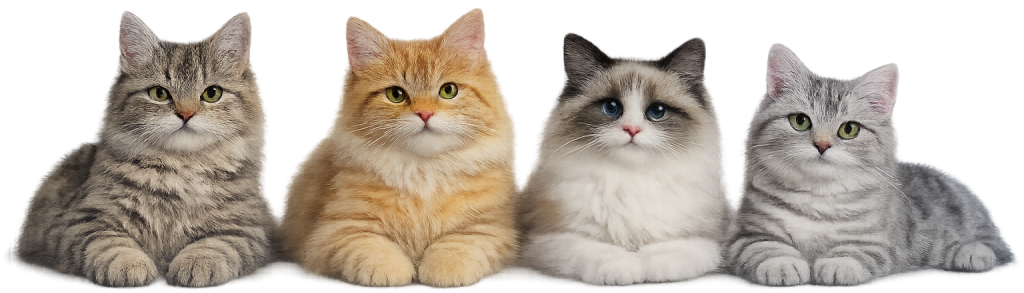
Many cat owners wonder whether Easy Trainable Ragdoll Cats truly live up to their reputation. Fortunately, Ragdolls are widely considered one of the most trainable cat breeds because of their calm personality, emotional intelligence, and strong attachment to people. Unlike highly independent breeds, Ragdolls usually enjoy interaction and often respond positively to routines and gentle guidance.
Their affectionate personality makes training feel more cooperative than frustrating. Many Ragdolls naturally seek attention and enjoy participating in household activities, which helps owners teach healthy habits more easily.
Although cats learn differently than dogs, Ragdolls often adapt surprisingly well to commands, litter routines, grooming habits, and interactive play. They respond especially well to positive reinforcement and emotionally supportive training methods.
Understanding how this breed thinks and behaves allows owners to create more effective training experiences. More importantly, it helps build stronger emotional relationships while reducing stress and confusion during learning.
With patience and consistency, many owners find training a Ragdoll both rewarding and enjoyable.
Why Ragdolls Learn Faster Than Many Cats
One reason Easy Trainable Ragdoll Cats stand out involves their social personality. Ragdolls naturally enjoy companionship and often pay close attention to human behavior and routines.
Unlike highly independent breeds that ignore interaction, many Ragdolls actively observe their owners throughout the day. This emotional awareness helps them recognize patterns, commands, and expectations more quickly.
Their calm temperament also improves learning ability. Nervous or reactive cats may struggle with training because stress interferes with focus and emotional comfort. Ragdolls, however, often remain relaxed during gentle instruction.
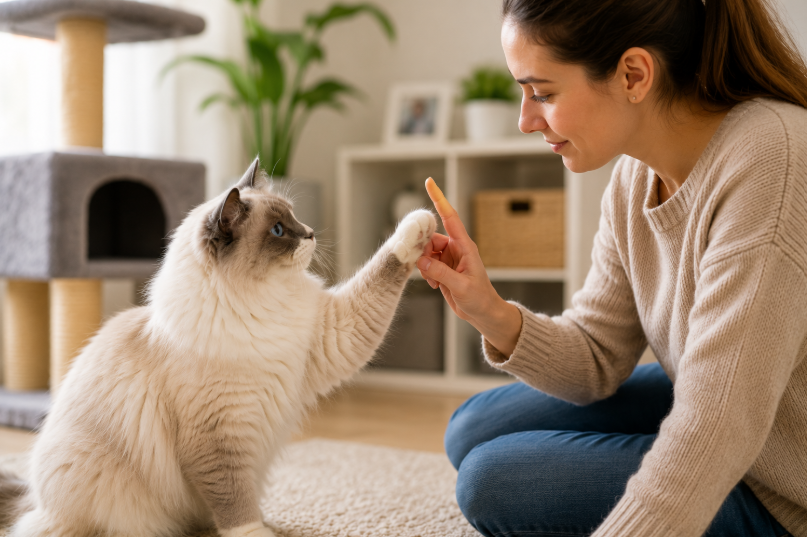
Additionally, they usually respond positively to praise, treats, and affection. Since they value emotional connection strongly, positive reinforcement works especially well with this breed.
Many owners notice that Ragdolls learn through repetition and observation naturally. Daily habits such as feeding schedules, bedtime routines, and familiar phrases often become recognizable surprisingly fast.
Their willingness to engage emotionally with people greatly improves overall trainability.
The Importance of Positive Reinforcement
Positive reinforcement remains one of the most effective approaches for training Easy Trainable Ragdoll Cats. Instead of punishment, this method rewards desired behavior using treats, praise, affection, or play.
Because Ragdolls are emotionally sensitive, harsh discipline usually creates fear rather than learning. Loud correction or forceful handling may damage trust and increase stress unnecessarily.
Gentle rewards encourage cats to repeat positive behaviors naturally. For example, rewarding litter box use, scratching post interaction, or calm carrier entry helps strengthen those habits over time.
Timing matters greatly during reinforcement. Rewards should happen immediately after desired behavior so the cat clearly connects the action with the positive result.
Consistency also plays a major role. Repeating the same cues and rewards daily helps build understanding and emotional confidence.
Fortunately, many Ragdolls become highly responsive once they realize training creates positive experiences and attention.
Can Ragdolls Learn Commands?
Many owners feel surprised by how quickly Easy Trainable Ragdoll Cats learn simple verbal commands. Their intelligence and emotional awareness often allow them to recognize familiar words and routines naturally.
Commands such as “come,” “sit,” or responding to their name frequently become manageable with patience and repetition.
Food rewards usually work especially well during command training. Calling the cat before meals helps create positive associations quickly and consistently.
Short daily sessions often produce better results than long complicated lessons. Most cats focus best during brief calm interactions lasting only several minutes.
Voice tone also matters significantly. Gentle and consistent wording helps Ragdolls recognize commands more easily over time.
Some owners even teach advanced tricks such as paw targeting, toy retrieval, or jumping onto specific surfaces using clicker training and treats.
Although results vary between individuals, many Ragdolls demonstrate impressive learning ability when training remains calm and rewarding.
Litter Box Training Success
One area where Easy Trainable Ragdoll Cats often excel involves litter box habits. Most Ragdolls adapt quickly to clean and consistent litter environments.
Their calm personality and preference for stable routines usually support healthy litter habits naturally. However, setup quality still matters greatly.
Large clean litter boxes placed in quiet low-stress areas usually work best because Ragdolls are larger cats that value comfort and privacy.
Daily scooping also helps reinforce positive habits because cats strongly prefer clean environments.
If accidents occur, owners should avoid punishment entirely. Stress and fear often worsen behavioral problems rather than solving them.
Instead, identifying underlying causes such as dirty litter, environmental stress, illness, or box placement creates healthier long-term solutions.
Positive reinforcement after successful litter use further strengthens consistency and emotional comfort naturally.
Teaching Healthy Scratching Habits
Scratching remains completely normal feline behavior, yet owners can still guide cats toward appropriate scratching surfaces successfully.
Easy Trainable Ragdoll Cats often adapt well to scratching posts because they respond positively to gentle redirection and repetition.
Placement matters significantly. Scratching posts positioned near sleeping areas or favorite furniture usually attract more attention naturally.
Rewarding post use with praise or treats helps create stronger positive associations. Some owners also encourage interest using catnip or interactive play near scratching areas.
Different textures may appeal to different cats. Sisal rope, cardboard, and carpet surfaces all provide varying experiences.
Punishment rarely helps because scratching fulfills natural physical and emotional needs. Redirecting behavior calmly usually produces much healthier results.
Regular nail trimming further supports healthy scratching habits while reducing accidental furniture damage.
Can Ragdolls Learn Carrier Training?
Carrier training often becomes much easier with Easy Trainable Ragdoll Cats because many adapt well to gradual positive exposure.
Instead of storing carriers away permanently, owners should leave them visible inside the home regularly. Familiarity helps reduce fear naturally over time.
Soft bedding, treats, and calm encouragement help create positive emotional associations with the carrier.
Initially, owners should encourage voluntary exploration rather than forced confinement. Short comfortable experiences build trust and confidence gradually.
Once comfort improves, brief car rides help desensitize cats to travel motion and unfamiliar sounds safely.
Because Ragdolls value emotional stability strongly, calm handling during carrier training significantly improves long-term cooperation.
Positive travel experiences help reduce stress during veterinary visits or emergencies later.
Why Grooming Training Matters
Grooming forms an important part of life with long-haired cats, and Easy Trainable Ragdoll Cats usually adapt well to regular maintenance routines.
Introducing brushing early helps kittens develop comfort with handling and physical touch naturally. Since Ragdolls often enjoy affection, grooming frequently becomes a bonding experience rather than a struggle.
Short calm brushing sessions work especially well. Positive reinforcement after grooming also helps strengthen emotional trust.
Owners should gradually handle paws, ears, tails, and mouths during calm moments to build tolerance for nail trimming and routine care.
Consistency remains extremely important because infrequent grooming may create anxiety or resistance later.
Fortunately, many Ragdolls naturally tolerate grooming better than more reactive breeds because of their relaxed temperament and emotional connection with owners.
How Intelligent Are Ragdolls?
Intelligence plays a major role in why Easy Trainable Ragdoll Cats respond well to learning opportunities. Although calm and relaxed, Ragdolls are often highly observant and emotionally aware.
Many quickly recognize routines, feeding schedules, familiar sounds, and human behavior patterns. Some even learn by simply observing repeated actions throughout the household.
Interactive toys and puzzle feeders help stimulate mental engagement while preventing boredom. Training sessions also provide valuable emotional and intellectual enrichment.
Because Ragdolls often crave social interaction, learning activities may feel emotionally rewarding to them rather than stressful.
Their intelligence also supports adaptability. Many transition smoothly into new routines when owners remain calm and consistent.
Mental stimulation strengthens emotional health while reducing boredom-related behaviors significantly.
Common Training Mistakes to Avoid
Even with Easy Trainable Ragdoll Cats, certain mistakes may slow progress or create confusion unnecessarily.
One major issue involves inconsistency. Changing commands, reactions, or expectations frequently makes learning far more difficult.
Another common mistake involves punishment-based correction. Fear and stress usually damage trust while reducing willingness to cooperate emotionally.
Overtraining also creates frustration. Cats generally learn best through short positive sessions rather than long exhausting lessons.
Some owners accidentally reward unwanted behavior too. For example, giving attention during excessive meowing may unintentionally reinforce repetition.
Ignoring emotional comfort represents another problem. Ragdolls respond best when environments remain calm and emotionally safe during training.
Fortunately, patience and gentle consistency usually solve most training challenges naturally over time.
Can Older Ragdolls Still Learn?
Many people assume only kittens can be trained successfully. However, Easy Trainable Ragdoll Cats often continue learning well into adulthood.
Older cats may require slightly more patience because habits become more established over time. Still, positive reinforcement remains highly effective regardless of age.
Adult Ragdolls often already understand household routines, making new training goals easier to integrate gradually.
Emotional trust becomes especially important during adult training. Calm encouragement and predictable sessions help older cats feel secure while learning.
Owners should focus on realistic expectations and celebrate small improvements consistently.
Training older cats may actually feel easier in some cases because mature Ragdolls often remain calmer and more emotionally stable than energetic kittens.
Patience and repetition continue creating strong results throughout life.
The Emotional Benefits of Training
Training provides more than behavioral improvement alone. Easy Trainable Ragdoll Cats often develop stronger emotional confidence and trust through positive learning experiences.
Consistent interaction helps strengthen communication between owners and cats naturally. Many Ragdolls appear emotionally reassured when routines feel predictable and rewarding.
Training sessions also provide mental stimulation and companionship, both of which support healthier emotional balance.
Cats that trust their owners generally cooperate more comfortably during grooming, travel, or veterinary care as well.
Because Ragdolls value emotional connection so strongly, trust-based learning often deepens companionship significantly over time.
Training ultimately becomes less about control and more about creating understanding and emotional security within daily life.
Conclusion
Easy Trainable Ragdoll Cats truly deserve their reputation for intelligence, emotional awareness, and cooperative behavior. Their calm temperament and strong attachment to people often make learning easier compared to many independent cat breeds.
Positive reinforcement, consistency, and emotional patience remain the most effective tools when training this affectionate breed. Whether teaching litter habits, scratching behavior, grooming tolerance, or basic commands, gentle routines usually create excellent results.
Fortunately, Ragdolls naturally enjoy companionship and interaction, which helps training feel rewarding rather than stressful for both owners and cats.
Most importantly, successful training strengthens trust and emotional connection while creating healthier long-term routines throughout the home. With proper guidance and consistency, Ragdolls often become wonderfully responsive companions that adapt beautifully to family life.
FAQ
- Are Ragdolls easier to train than other cats?
Yes, many respond especially well because they enjoy companionship and positive interaction with owners.
- What training method works best for this breed?
Positive reinforcement using treats, praise, and gentle repetition usually creates the best results.
- Can adult Ragdolls still learn new behaviors?
Yes, older cats often learn successfully with patience, consistency, and emotionally supportive training sessions.
- Why should punishment be avoided during training?
Harsh correction may increase fear and damage emotional trust instead of improving behavior.
- How long should training sessions last daily?
Short five to ten minute sessions usually work best because cats learn more comfortably in calm intervals.