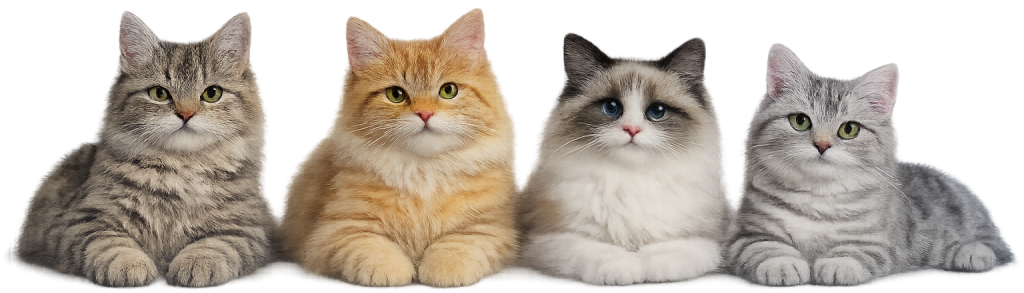
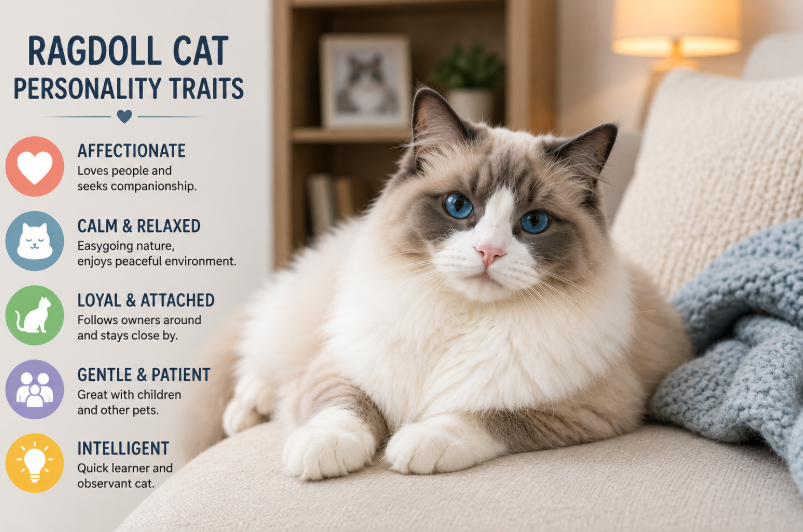
Understanding Ragdoll Cat Personality Traits helps owners appreciate why this breed remains one of the most loved indoor cats in the world. Ragdolls are famous for their calm personalities, affectionate behavior, and deep emotional attachment to people. Unlike highly independent breeds, they usually enjoy companionship, gentle attention, and relaxed home environments.
Many owners describe Ragdolls as dog-like because they often follow people around the house and enjoy being involved in daily routines. Their friendly nature makes them especially popular among families, couples, and first-time cat owners looking for a calm companion.
Although every cat has a unique personality, certain behaviors consistently appear throughout the breed. Ragdolls generally prefer peaceful interaction over aggression or extreme independence. They also adapt well to indoor living and emotionally stable households.
Learning more about these personality traits helps owners create healthier environments while building stronger emotional bonds. More importantly, understanding how Ragdolls think and behave allows owners to respond better to their emotional and physical needs throughout life.
Why Ragdolls Are So Affectionate
One of the most recognizable Ragdoll Cat Personality Traits is affection. These cats usually form strong emotional bonds with their owners and often seek companionship throughout the day.
Many Ragdolls enjoy sitting beside people, following family members between rooms, or resting nearby during quiet activities. Some even greet owners at the door or sleep beside them regularly.
This affectionate behavior reflects the breed’s social and emotionally connected nature. Unlike cats that prefer constant independence, Ragdolls often feel safest when close to trusted people.
Physical affection also plays an important role in their personality. Many enjoy cuddling, gentle petting, and being carried calmly for short periods.
However, affection levels may vary slightly between individuals. Some cats constantly seek attention, while others prefer quieter companionship from a short distance.
Positive interaction strengthens these emotional connections even further. Gentle routines, regular play, and calm communication all help build trust naturally over time.
Their affectionate personality remains one of the biggest reasons owners become deeply attached to the breed.
Their Calm and Relaxed Nature
Another defining feature among Ragdoll Cat Personality Traits is calmness. Ragdolls usually display relaxed behavior and adapt well to peaceful indoor environments.
Unlike highly energetic breeds, they often prefer moderate activity balanced with long periods of rest and companionship. This calm temperament makes them excellent pets for quieter households and apartment living.
Many Ragdolls remain patient during handling and tolerate routine interaction well when treated respectfully. Their easygoing attitude also helps them adjust more comfortably to family life.
Because of their relaxed personality, they rarely display aggressive behavior without cause. Instead, stressed Ragdolls often withdraw quietly or seek safe resting spaces rather than reacting aggressively.
Even during playtime, many Ragdolls maintain gentler energy compared to highly active breeds. They enjoy interactive games but usually avoid overly rough or chaotic behavior.
This relaxed nature contributes heavily to their reputation as comforting and emotionally soothing companions.
Why Ragdolls Follow Their Owners
Many owners quickly notice that Ragdolls love staying close to people. Following owners throughout the house remains one of the most common Ragdoll Cat Personality Traits.
This behavior reflects emotional bonding rather than simple curiosity alone. Ragdolls genuinely enjoy observing daily routines and remaining connected to household activity.
Some cats quietly sit nearby while owners work or relax. Others actively seek interaction through soft vocalization, gentle rubbing, or sitting on nearby furniture.
Their strong attachment to people often creates loyal companionship that feels more interactive than many other cat breeds.
Because they value emotional connection, Ragdolls sometimes dislike long periods of isolation. Cats left alone frequently without stimulation may become bored or emotionally withdrawn.
Fortunately, regular interaction and stable routines usually help maintain emotional balance naturally.
Their loyal personality often creates especially strong relationships with owners who spend consistent quality time with them.
How Ragdolls Behave Around Families
Ragdolls generally adapt very well to family environments because of their gentle and patient personality. Many tolerate children better than more sensitive or reactive breeds.
Among the most appreciated Ragdoll Cat Personality Traits is emotional stability during calm interaction. They usually prefer peaceful handling and often enjoy quiet attention from respectful family members.
However, gentle treatment remains extremely important. Even calm cats may become stressed if children handle them roughly or ignore emotional boundaries.
Ragdolls also commonly adapt well to households with multiple adults because they enjoy companionship and social interaction naturally.
Since they thrive emotionally through connection, many Ragdolls become deeply involved in family routines and daily life.
Owners should still provide quiet resting spaces where cats can relax privately whenever needed. Emotional balance improves when cats feel safe and secure within the home.
Their loving and patient behavior makes them especially popular among families seeking calm indoor companions.
Interaction With Other Pets
Most Ragdolls behave peacefully around other animals when introductions happen gradually and respectfully. Their calm nature often supports smoother adjustment within multi-pet homes.
Ragdoll Cat Personality Traits commonly include tolerance and curiosity rather than territorial aggression. Many adapt well to friendly dogs or other cats over time.
However, personality compatibility still matters greatly. Aggressive or dominant animals may intimidate emotionally sensitive Ragdolls more easily.
Slow introductions help build confidence naturally while reducing stress during early interactions. Safe spaces and supervised meetings usually improve long-term adjustment.
Positive experiences with other animals often strengthen social confidence even further. Kittens raised around calm pets frequently adapt especially well.
Owners should monitor body language carefully during introductions. Hiding, flattened ears, or excessive avoidance may indicate stress requiring slower progress.
With patience and stability, many Ragdolls become relaxed and social members of multi-pet households.
Their Emotional Sensitivity
Ragdolls are emotionally aware cats that often respond strongly to household atmosphere and routine changes. Emotional sensitivity remains one of the more unique Ragdoll Cat Personality Traits.
Loud arguments, chaotic environments, or sudden disruptions may affect them more noticeably than some independent breeds. Stress sometimes appears through hiding, overgrooming, reduced appetite, or unusual withdrawal.
Because of this sensitivity, emotionally stable homes usually support healthier long-term behavior. Calm routines and predictable interaction help Ragdolls feel secure and relaxed.
Positive reinforcement also works especially well with this breed. Gentle praise, affection, and consistency usually encourage healthy habits more effectively than punishment or harsh correction.
Owners who understand emotional sensitivity often develop stronger communication with their cats naturally. Observing subtle behavioral changes helps identify discomfort or stress early.
Emotionally secure cats generally display more confidence, affection, and relaxed behavior overall.
How Intelligent Ragdolls Are
Although Ragdolls are calm cats, they are also highly intelligent and observant. Many quickly recognize routines, feeding schedules, and familiar words.
Several Ragdoll Cat Personality Traits reflect social intelligence and emotional awareness. They often learn through observation and repeated interaction rather than forceful training.
Some Ragdolls respond to their names consistently, follow simple routines, or even learn basic tricks using positive reinforcement. Their emotional connection to people often improves learning motivation naturally.
Interactive toys and puzzle feeders usually provide excellent mental stimulation for this breed. Without engagement, some cats may become bored despite their relaxed personality.
Training sessions work best when kept short, calm, and rewarding. Ragdolls generally respond better to encouragement than strict correction.
Mental stimulation supports emotional health while strengthening trust between owners and cats.
Their combination of intelligence and affection often creates highly interactive companionship compared to many other breeds.
Why Ragdolls Prefer Indoor Living
Ragdolls usually adapt extremely well to indoor lifestyles because of their trusting and calm personality. Unlike highly adventurous breeds, they often prefer safe familiar environments and close companionship.
One important aspect of Ragdoll Cat Personality Traits involves reduced outdoor survival instincts. Their friendly nature sometimes makes them less cautious around unfamiliar people or animals.
Because of this, indoor living generally provides the safest environment for the breed. Indoor cats also face fewer risks involving traffic, predators, diseases, or accidents.
Fortunately, Ragdolls usually remain content indoors when provided with proper enrichment, affection, and comfortable resting spaces.
Window perches, climbing structures, scratching posts, and interactive play all support healthy indoor lifestyles naturally.
Most Ragdolls prioritize emotional comfort and companionship over outdoor exploration. Their relaxed personality therefore fits indoor family life extremely well.
Playfulness and Activity Levels
Although calm, Ragdolls still enjoy playful interaction and mental stimulation daily. Their activity level generally feels balanced rather than hyperactive.
Ragdoll Cat Personality Traits often include gentle play styles instead of aggressive or overly intense behavior. Many enjoy chasing wand toys, batting soft balls, or exploring puzzle feeders.
Short play sessions throughout the day help maintain healthy weight, circulation, and emotional wellness. Interactive play also strengthens trust between cats and owners naturally.
Some younger Ragdolls display bursts of playful energy before relaxing again quickly. Kittens especially require more stimulation and exploration opportunities during development stages.
Even adult cats benefit greatly from consistent activity and environmental enrichment.
Because they enjoy companionship so much, many Ragdolls prefer interactive games involving owners rather than independent play alone.
Balanced activity supports healthier emotional and physical well-being over time.
How Ragdolls Communicate
Ragdolls communicate through body language, facial expression, vocalization, and physical interaction. Understanding these signals helps owners respond more effectively to emotional needs.
Several Ragdoll Cat Personality Traits become especially visible through communication habits. Slow blinking, gentle chirping, relaxed posture, and tail positioning often reflect trust and comfort.
Most Ragdolls vocalize softly compared to highly talkative breeds. Their meows often sound gentle and emotionally expressive rather than demanding.
Body language also provides important emotional clues. Relaxed stretching, exposed bellies, and calm sleeping positions usually indicate emotional security.
Meanwhile, hiding, flattened ears, or excessive grooming may signal stress or discomfort.
Owners who observe these behaviors carefully often build stronger emotional connections with their cats naturally.
Communication improves significantly through consistency, patience, and positive interaction.
The Importance of Routine and Stability
Ragdolls thrive emotionally when daily life feels predictable and calm. Stable routines strongly support emotional comfort and healthy long-term behavior.
Among the most important Ragdoll Cat Personality Traits is their preference for consistency. Regular feeding times, grooming schedules, play sessions, and sleep routines all help create emotional security.
Frequent disruptions or chaotic environments may increase anxiety and stress-related behaviors.
Fortunately, simple consistent routines usually provide excellent emotional support naturally. Calm interaction and stable surroundings help Ragdolls remain relaxed and affectionate.
Owners should also provide quiet spaces where cats can rest privately whenever needed. Emotional balance improves when cats feel safe and understood within the home.
Stable routines create healthier behavior while strengthening trust and companionship long term.
Conclusion
Ragdolls remain one of the most affectionate and emotionally connected cat breeds because of their calm personality, loyalty, and social nature. Their gentle behavior makes them excellent companions for families, couples, seniors, and first-time cat owners alike.
Understanding Ragdoll Cat Personality Traits helps owners respond more effectively to emotional needs, communication styles, and daily behavior patterns. More importantly, this understanding creates stronger relationships built on trust and consistency.
Although every cat develops unique habits and preferences, most Ragdolls share a love for companionship, peaceful environments, and gentle interaction. Their relaxed nature and emotional sensitivity often create especially rewarding bonds with people.
With proper care, stable routines, and positive attention, Ragdolls usually become loving lifelong companions that bring comfort, calmness, and emotional connection into the home every day.
FAQ
- Are Ragdolls naturally affectionate cats?
Yes, most Ragdolls enjoy companionship, gentle attention, and staying close to trusted people regularly.
- Do these cats adapt well to indoor living?
Yes, Ragdolls usually thrive indoors because they prefer comfort, safety, and emotionally stable environments.
- How active are Ragdolls compared to other breeds?
They are generally calm cats with moderate activity levels and balanced playful behavior.
- Why do Ragdolls follow owners around constantly?
Many develop strong emotional bonds and enjoy remaining involved in daily household routines.
- Can Ragdolls live peacefully with other pets?
Yes, they often adapt well to calm animals when introductions happen gradually and respectfully.