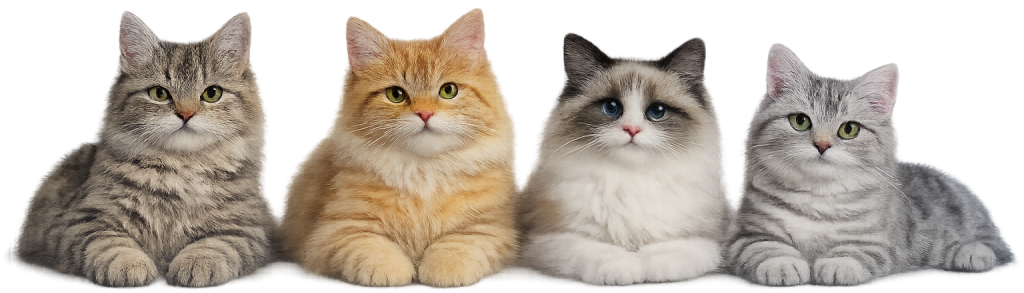
Understanding feline behavior becomes much easier once you learn the unique personality traits of this gentle breed. A complete Ragdoll Cat Behavior Guide helps owners recognize emotional signals, social habits, and common daily behaviors that make Ragdolls different from many other cats. Known for their affectionate and relaxed nature, Ragdolls often behave more like loyal companions than independent pets.
Many first-time owners feel surprised by how emotionally attached these cats become. Ragdolls commonly follow people throughout the home, sleep nearby, and seek regular physical affection. While some breeds prefer solitude, Ragdolls usually thrive on interaction and companionship.
Learning these behaviors helps owners create healthier environments and stronger emotional connections. More importantly, understanding why your cat behaves a certain way can reduce confusion and improve daily routines.
Although every cat has a unique personality, Ragdolls often display several recognizable behavioral patterns. Their calm temperament, emotional sensitivity, and social habits all contribute to the breed’s popularity among families and indoor cat owners.
Why Ragdolls Are So Affectionate
One of the most recognizable traits in any Ragdoll Cat Behavior Guide is the breed’s affectionate personality. Ragdolls were selectively bred for calmness and friendliness, which explains why they usually enjoy human interaction so much.
Unlike more distant breeds, many Ragdolls actively seek companionship throughout the day. They may follow owners into different rooms, greet family members at the door, or quietly sit nearby during daily activities.
This behavior reflects emotional bonding rather than simple dependency. Ragdolls often feel safest and happiest when included in household routines and social interaction.
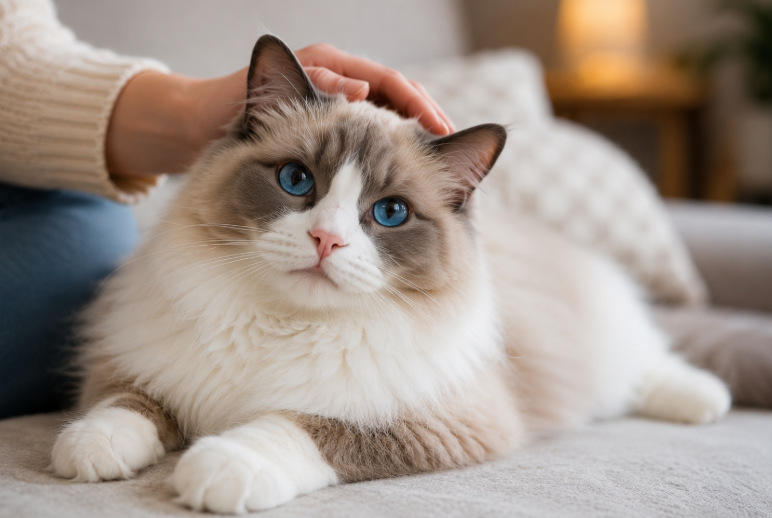
Physical affection also plays an important role in their behavior. Many enjoy cuddling, sitting on laps, or resting beside owners during quiet moments. Their relaxed nature makes them more tolerant of handling than many other cats.
However, affection levels still vary slightly between individuals. Some cats constantly seek attention, while others prefer quieter companionship from a short distance away.
Owners who respond consistently with gentle interaction often strengthen emotional trust even further. Positive experiences help reinforce the breed’s naturally loving personality.
Understanding Their Calm Temperament
Ragdolls are famous for their relaxed and easygoing attitude. This calmness affects nearly every part of their behavior, from social interaction to play habits and sleeping routines.
A typical Ragdoll Cat Behavior Guide often describes these cats as emotionally steady and patient. They usually adapt well to calm households and tolerate family life comfortably when treated respectfully.
Unlike highly energetic breeds, Ragdolls often prefer moderate activity balanced with long rest periods. They enjoy interactive play, yet they rarely display constant hyperactivity or aggressive behavior.
Their calm personality also influences how they react to stress. Although emotionally sensitive, Ragdolls often respond quietly rather than aggressively during uncomfortable situations.
Because of this gentle temperament, many families consider them excellent pets for homes with children or other animals. Still, respectful handling remains extremely important.
Loud environments, rough treatment, or sudden disruptions may still create anxiety despite their relaxed nature. Owners should therefore focus on maintaining peaceful routines and emotionally stable surroundings.
Their calm personality ultimately helps create the loyal and comforting companionship the breed is known for.
Why Ragdolls Follow Their Owners Everywhere
Many owners notice their Ragdolls quietly following them around the house throughout the day. This shadow-like behavior remains one of the breed’s most recognizable traits.
A detailed Ragdoll Cat Behavior Guide explains this habit as a sign of emotional attachment and social curiosity. Ragdolls genuinely enjoy observing household activities and remaining close to trusted people.
They often view owners as sources of comfort, entertainment, and security simultaneously. Following behavior therefore reflects emotional connection rather than clinginess alone.
Some Ragdolls quietly sit nearby while owners work, cook, or relax. Others actively seek physical contact by rubbing against legs or climbing onto nearby furniture.
This behavior also stems from their social intelligence. Ragdolls quickly learn routines and often anticipate daily activities such as feeding times, bedtime, or play sessions.
Although many owners love this companionship, balanced independence still matters. Cats should always have quiet spaces available for resting alone when desired.
Encouraging healthy routines and emotional confidence helps prevent excessive dependence over time.
How Ragdolls Communicate Emotionally
Ragdolls communicate through body language, vocal sounds, and physical interaction. Understanding these signals helps owners respond appropriately to emotional needs.
Tail movement provides useful clues. A relaxed upright tail often signals confidence and friendliness, while sudden twitching may indicate irritation or overstimulation.
A proper Ragdoll Cat Behavior Guide also highlights eye contact and blinking behavior. Slow blinking frequently signals trust and affection between cats and humans.
Vocalization patterns vary between individuals. Some Ragdolls remain very quiet, while others use soft chirps or gentle meows to communicate needs or greet owners.
Body posture also matters greatly. Relaxed stretching, exposed bellies, and calm sleeping positions usually reflect emotional comfort and security.
Meanwhile, flattened ears, hiding, or sudden withdrawal may signal stress or fear. Observing these behaviors carefully helps owners respond more effectively.
Learning feline communication creates stronger emotional bonds and reduces misunderstandings between owners and cats.
Play Habits and Mental Stimulation
Although Ragdolls are calm cats, they still need regular play and mental stimulation. Interactive activity supports emotional wellness while preventing boredom and unhealthy inactivity.
Most Ragdolls enjoy gentler play styles compared to highly energetic breeds. Wand toys, soft balls, puzzle feeders, and climbing trees often provide excellent stimulation.
A balanced Ragdoll Cat Behavior Guide should always include mental enrichment because intelligent cats require emotional engagement as well as physical care.
Some Ragdolls even enjoy learning simple routines or responding to familiar words. Their social intelligence often makes them highly responsive to positive interaction.
Play sessions also strengthen trust between owners and cats. Regular interaction helps reduce stress while supporting healthy confidence.
However, overstimulation can sometimes occur. Sudden tail flicking, biting, or walking away may signal the need for a break.
Short daily play sessions usually work better than long exhausting activities. Consistent mental engagement supports healthier behavior overall.
Why Ragdolls Sleep So Much
Many owners initially worry about how often their Ragdoll sleeps. However, extended rest periods remain completely normal for this breed.
A typical Ragdoll Cat Behavior Guide explains that cats naturally conserve energy through frequent naps and relaxed activity cycles. Ragdolls often appear even sleepier because of their calm personality and indoor lifestyle.
Most healthy cats sleep between 12 and 16 hours daily. Kittens and senior cats may rest even longer depending on age and activity level.
Ragdolls also enjoy sleeping near trusted people. Their strong emotional attachment often leads them to rest beside owners on couches, beds, or nearby furniture.
Comfortable environments strongly affect sleep behavior. Warm bedding, quiet rooms, and emotional security all support healthier rest patterns.
Although long sleep periods remain normal, sudden lethargy combined with appetite loss or behavioral changes may require veterinary attention.
Healthy sleep supports emotional balance, digestion, immune function, and overall wellness.
Understanding Stress and Anxiety Signals
Even relaxed cats experience stress occasionally. Recognizing emotional warning signs early helps owners respond before anxiety worsens.
A responsible Ragdoll Cat Behavior Guide should always address emotional sensitivity because Ragdolls often react strongly to environmental changes.
Stress may appear through hiding, reduced appetite, overgrooming, litter box changes, or sudden withdrawal from interaction. Some cats become quieter, while others vocalize more than usual.
Routine disruptions frequently trigger anxiety. Moving homes, introducing new pets, loud guests, or changing schedules may affect emotionally sensitive cats noticeably.
Creating stable routines helps reduce stress significantly. Predictable feeding times, quiet resting areas, and regular interaction all contribute to emotional security.
Interactive play and gentle grooming sessions may also help nervous cats relax more comfortably.
Owners should remain patient during stressful periods. Punishment or harsh reactions usually increase anxiety instead of solving behavioral problems.
Calm environments and positive reinforcement consistently produce healthier emotional behavior.
How Ragdolls Behave Around Other Pets
Ragdolls often adapt well to multi-pet households because of their calm and social personality. Many tolerate respectful dogs and other cats surprisingly well.
However, gradual introductions remain extremely important. Even friendly cats may feel overwhelmed by sudden changes or territorial pressure.
A balanced Ragdoll Cat Behavior Guide encourages slow introductions with controlled interactions and safe escape spaces available at all times.
Most Ragdolls prefer peaceful social environments rather than dominance-based interactions. Aggressive pets may therefore intimidate them more easily.
Positive early experiences with other animals usually improve long-term confidence and social comfort. Kittens raised around calm pets often adapt especially well.
Owners should monitor body language carefully during introductions. Growling, hiding, flattened ears, or swatting may indicate stress and require slower progress.
Patience and controlled interaction usually create smoother long-term relationships between pets.
The Importance of Routine and Stability
Ragdolls thrive on consistency and emotional predictability. Stable routines help them feel secure and relaxed throughout daily life.
Feeding schedules, sleep routines, grooming habits, and play sessions all contribute to emotional comfort. Sudden changes may create confusion or anxiety more easily in this breed.
A reliable Ragdoll Cat Behavior Guide emphasizes routine because emotionally secure cats generally display healthier behavior overall.
Predictable interaction also strengthens trust between owners and cats. Ragdolls often learn household patterns quickly and anticipate daily activities naturally.
Consistency does not mean strict schedules every minute. Instead, it involves creating emotionally stable environments where cats understand what to expect regularly.
Comfortable resting areas, familiar scents, and calm handling all support emotional balance further.
Stable environments help Ragdolls remain confident, affectionate, and emotionally healthy throughout life.
Common Behavioral Misunderstandings
Some owners misinterpret normal Ragdoll behavior accidentally. Long sleep periods, following behavior, or constant companionship may seem unusual compared to independent cat breeds.
However, a proper Ragdoll Cat Behavior Guide explains that these traits reflect the breed’s emotional nature rather than problematic behavior.
Another common misunderstanding involves low activity levels. While Ragdolls enjoy relaxing, they still require mental stimulation and healthy exercise routines daily.
Some owners also mistake quiet stress signals for calmness. Hiding, avoiding interaction, or overgrooming may indicate anxiety rather than simple relaxation.
Understanding emotional communication prevents unnecessary frustration and strengthens relationships significantly.
Patience and observation usually provide the best insights into feline behavior over time.
Conclusion
Ragdolls are affectionate, emotionally sensitive, and deeply social cats that thrive on companionship and routine. Their gentle personality makes them excellent pets for calm households and owners seeking close emotional connection.
Understanding feline communication and emotional habits helps owners respond more effectively to daily needs. A reliable Ragdoll Cat Behavior Guide allows beginners to recognize normal behaviors while supporting healthier emotional development.
Although every cat has unique personality traits, most Ragdolls display calm affection, strong loyalty, and a preference for peaceful environments. Their trusting nature and social intelligence often create incredibly rewarding relationships with owners.
Most importantly, patience, consistency, and gentle interaction help Ragdolls feel safe and emotionally secure. Once owners understand their behavior more clearly, building a strong and loving bond becomes much easier and far more rewarding.
FAQ
- Why do Ragdolls follow people around the house?
Many Ragdolls enjoy companionship and feel emotionally connected to trusted family members.
- Are these cats naturally calm compared to other breeds?
Yes, Ragdolls usually display a relaxed and gentle personality that makes them calmer than many breeds.
- How can owners reduce stress in sensitive cats?
Stable routines, quiet environments, and positive interaction often help emotionally sensitive cats feel more secure.
- Do Ragdolls enjoy interactive play regularly?
Yes, most Ragdolls benefit from gentle daily play that supports mental stimulation and emotional wellness.
- What does slow blinking mean in feline communication?
Slow blinking commonly signals trust, comfort, and affection between cats and humans.