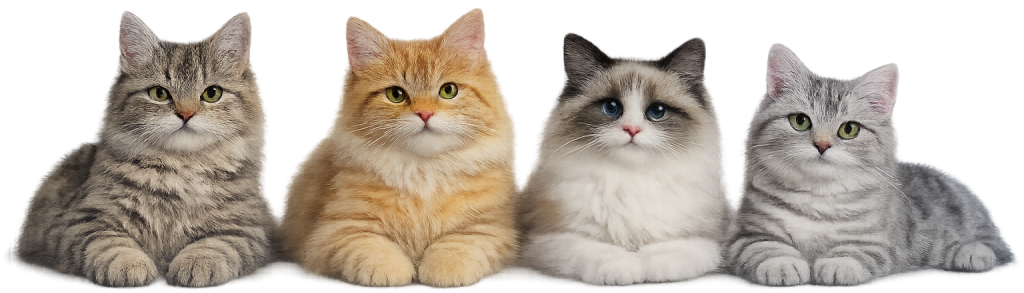
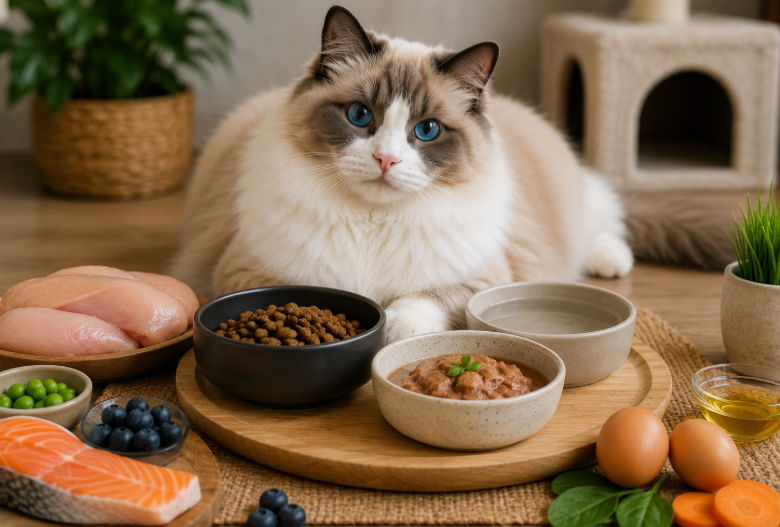
Creating the right Ragdoll Cat Diet Plan is one of the most important parts of keeping your cat healthy, active, and comfortable throughout life. Ragdolls are large, affectionate cats with calm personalities and beautiful long coats. Because of their size and indoor lifestyle, proper nutrition plays a major role in maintaining healthy weight, digestion, coat condition, and energy levels.
Many owners assume all cat foods provide the same benefits. However, food quality, feeding schedules, hydration, and portion control can significantly affect a Ragdoll’s long-term wellness. Poor dietary habits may contribute to obesity, digestive problems, dull coats, and reduced energy over time.
Fortunately, building a healthy feeding routine does not need to feel complicated. Once owners understand the nutritional needs of Ragdolls, daily feeding becomes much easier and more consistent.
The best approach focuses on balance rather than extremes. High-quality ingredients, proper hydration, and predictable routines usually create the healthiest long-term results. More importantly, good nutrition supports both physical health and emotional comfort for this gentle breed.
Why Nutrition Matters for Ragdolls
Nutrition affects nearly every part of feline wellness. Strong diets support muscles, joints, digestion, immune function, and healthy skin. Since Ragdolls are larger cats, balanced nutrition becomes especially important for maintaining healthy body condition.
A healthy Ragdoll Cat Diet Plan also helps support the breed’s long silky coat. Cats lacking proper nutrients often develop dry skin, brittle fur, or excessive shedding.
Indoor lifestyles further increase the importance of balanced feeding. Because Ragdolls are generally calm cats, they may gain weight easily without proper portion control and activity.
Protein remains particularly important because cats are obligate carnivores. Their bodies rely heavily on animal-based nutrients for strength and energy.
Hydration matters just as much as food quality. Cats naturally drink less water than many animals, so moisture-rich diets often support healthier kidney and urinary function.
Owners who prioritize balanced nutrition early usually experience fewer long-term health problems and easier weight management later.
Healthy diets ultimately support both comfort and longevity throughout every life stage.
Choosing High-Quality Cat Food
Food quality should always come before marketing claims or packaging appearance. The best cat foods usually contain high-quality animal protein as the primary ingredient.
A balanced Ragdoll Cat Diet Plan should include protein-rich foods with moderate healthy fats and limited unnecessary fillers. Chicken, turkey, salmon, and other animal proteins often work well for most healthy cats.
Low-quality foods sometimes rely heavily on corn, artificial additives, or excessive carbohydrates. These ingredients may contribute to digestive discomfort or unhealthy weight gain over time.
Wet food provides several advantages because it naturally contains higher moisture levels. Many owners combine wet and dry food to create balanced feeding routines that support both hydration and convenience.
Life-stage formulas also matter. Kittens, adults, and senior cats all have different nutritional needs that change over time.
Owners should always transition foods gradually. Sudden dietary changes may upset digestion and create unnecessary stress for sensitive cats.
Consulting a veterinarian helps identify the best nutritional approach for cats with allergies, digestive sensitivities, or health conditions.
Understanding Portion Control
Portion management plays a major role in maintaining healthy body weight. Ragdolls may appear naturally large, yet excessive weight still creates serious health risks.
A proper Ragdoll Cat Diet Plan focuses on balanced portions instead of unlimited feeding. Calm indoor cats often burn fewer calories than highly active breeds, which increases obesity risk if owners overfeed consistently.
Food packaging provides general feeding recommendations, yet individual needs vary depending on age, activity level, metabolism, and overall health.
Owners should monitor body condition regularly rather than relying only on weight numbers. Healthy cats usually have visible waist definition and ribs that feel easily beneath light pressure.
Free-feeding sometimes encourages overeating, especially in food-motivated cats. Scheduled meals often support healthier habits and easier portion control.
Treats should also remain limited. Even small snacks add calories quickly over time if given excessively.
Balanced feeding combined with regular play helps maintain healthier long-term weight naturally.
Wet Food vs Dry Food
Many owners wonder whether wet or dry food works best. Both options offer benefits, and many healthy feeding routines combine them successfully.
Wet food provides higher moisture content, which supports hydration and urinary health. Since cats naturally consume little water, moisture-rich diets often help reduce dehydration risks.
A healthy Ragdoll Cat Diet Plan frequently includes wet food because it also tends to contain higher protein and fewer carbohydrates compared to many dry foods.
Dry food offers convenience and longer shelf life. Some owners also use it for puzzle feeders or controlled snack portions during the day.
Texture preferences vary between cats as well. Some strongly prefer wet food, while others enjoy crunchy kibble more consistently.
The best choice usually depends on your cat’s health needs, lifestyle, and preferences. Many veterinarians recommend combining both for balanced nutrition and hydration support.
Regardless of type, ingredient quality always matters more than food form alone.
Hydration and Water Intake
Hydration strongly affects kidney health, digestion, and overall wellness. Unfortunately, many cats naturally drink less water than they actually need.
A complete Ragdoll Cat Diet Plan should always include strategies for encouraging healthy hydration habits. Fresh clean water should remain available in multiple locations throughout the home.
Many cats prefer water fountains because moving water feels fresher instinctively. Water bowls placed away from litter boxes and food stations may also encourage more frequent drinking.
Wet food helps increase daily moisture intake naturally. Some owners additionally mix small amounts of water into meals for extra hydration support.
Dehydration may contribute to urinary issues, constipation, or reduced energy over time. Therefore, consistent hydration becomes extremely important for indoor cats.
Owners should monitor drinking habits carefully. Sudden decreases in water intake may sometimes signal health concerns requiring veterinary attention.
Healthy hydration supports digestion, circulation, and long-term kidney function significantly.
Feeding Ragdoll Kittens Properly
Kittens require different nutrition than adult cats because their bodies grow rapidly during early development. High-quality kitten food supports healthy bone, muscle, and immune system growth.
A balanced Ragdoll Cat Diet Plan for kittens usually includes higher protein and calorie content compared to adult formulas. Frequent smaller meals also work better because kittens burn energy quickly.
Most young kittens eat three to four meals daily before gradually transitioning toward adult feeding schedules.
Hydration remains important during kittenhood as well. Wet food often supports healthy digestion and easier moisture intake for growing cats.
Owners should avoid feeding adult-only food too early because kittens need additional nutrients during development stages.
Social feeding routines also matter emotionally. Calm mealtimes help kittens feel secure while building healthy lifelong habits naturally.
Proper early nutrition strongly influences long-term health and body condition later in life.
Diet Changes for Adult and Senior Cats
As Ragdolls mature, nutritional needs gradually shift. Adult cats require balanced maintenance diets that support healthy weight and stable energy.
A healthy Ragdoll Cat Diet Plan for adults focuses on moderate calories, high-quality protein, and hydration support. Since indoor adults often exercise less, portion control becomes increasingly important.
Senior cats may eventually require additional nutritional adjustments as activity levels and metabolism change. Older cats sometimes benefit from softer textures, joint-support ingredients, or highly digestible formulas.
Dental health may also influence food preferences in aging cats. Wet food or softened meals often feel easier for seniors with dental sensitivity.
Owners should monitor appetite and weight carefully during aging transitions. Sudden changes may indicate underlying medical concerns.
Veterinary guidance becomes especially valuable for senior nutrition planning because health conditions may affect dietary needs significantly.
Balanced nutrition supports healthier aging and improved long-term comfort naturally.
Foods Owners Should Avoid
Certain foods can create serious health risks for cats. Owners should understand which ingredients remain unsafe despite seeming harmless to humans.
Chocolate, onions, garlic, grapes, raisins, caffeine, alcohol, and xylitol all pose dangerous risks for feline health. Even small amounts may create severe reactions.
A responsible Ragdoll Cat Diet Plan also avoids excessive fatty table scraps and highly processed human foods. These items may upset digestion or contribute to obesity.
Milk products sometimes create problems too because many adult cats struggle to digest lactose properly.
Bones and raw fish also carry risks if prepared improperly. Unsafe feeding practices may increase choking hazards or bacterial exposure.
Owners should store dangerous foods carefully and educate family members about safe feeding boundaries.
When uncertain about specific foods, consulting a veterinarian always remains the safest choice.
Using Treats the Right Way
Treats can strengthen emotional bonds and support positive training experiences. However, moderation remains extremely important.
A healthy Ragdoll Cat Diet Plan should treat snacks as occasional rewards rather than major calorie sources. Excessive treats may quickly contribute to unhealthy weight gain.
Protein-based treats often work better than heavily processed options filled with artificial ingredients or sugar.
Interactive feeding toys also help make treats more mentally stimulating while slowing consumption slightly.
Training rewards should remain small and consistent. Tiny portions still create positive reinforcement effectively without overfeeding.
Some owners use small pieces of regular cat food instead of separate treats during training sessions. This approach helps maintain better calorie balance.
Balanced treat habits support healthier long-term nutrition without eliminating enjoyable bonding moments.
Recognizing Signs of a Healthy Diet
Healthy nutrition usually creates visible improvements throughout the body. Strong coats, healthy weight, bright eyes, and stable energy often reflect balanced feeding routines.
A successful Ragdoll Cat Diet Plan commonly results in soft shiny fur, comfortable digestion, and consistent litter box habits.
Healthy cats generally maintain stable appetite patterns and moderate activity levels without dramatic weight changes.
Poor nutrition sometimes appears through dull fur, digestive upset, excessive shedding, low energy, or unhealthy body condition.
Owners should observe physical condition regularly because early changes often provide valuable health clues.
Routine veterinary checkups also help confirm whether current feeding habits support proper nutrition effectively.
Consistent observation combined with balanced feeding creates healthier long-term results naturally.
Conclusion
Good nutrition forms the foundation of long-term feline wellness. A balanced Ragdoll Cat Diet Plan supports healthy weight, strong muscles, better digestion, softer coats, and improved overall comfort throughout every stage of life.
Fortunately, healthy feeding does not require complicated routines or extreme diets. Most Ragdolls thrive with high-quality food, proper hydration, portion control, and consistent meal schedules.
Owners who prioritize nutrition early often experience fewer long-term health problems and easier daily care overall. Small feeding improvements can create noticeable benefits in energy, coat condition, and emotional well-being.
Most importantly, balanced nutrition helps these affectionate cats live healthier and more comfortable lives. With proper care and thoughtful feeding habits, Ragdolls can continue providing loyal companionship and gentle affection for many years.
FAQ
- How often should adult Ragdolls eat daily?
Most adult cats do well with two balanced meals each day and consistent feeding schedules.
- Is wet food healthier than dry food for cats?
Wet food often supports hydration better, although both options can work well with quality ingredients.
- Can indoor cats become overweight easily?
Yes, indoor cats may gain weight without proper portion control and regular activity.
- What protein sources work best for feline diets?
Chicken, turkey, salmon, and other high-quality animal proteins usually support healthy nutrition effectively.
- Should owners change diets suddenly?
No, gradual food transitions help prevent digestive upset and reduce stress during dietary changes.