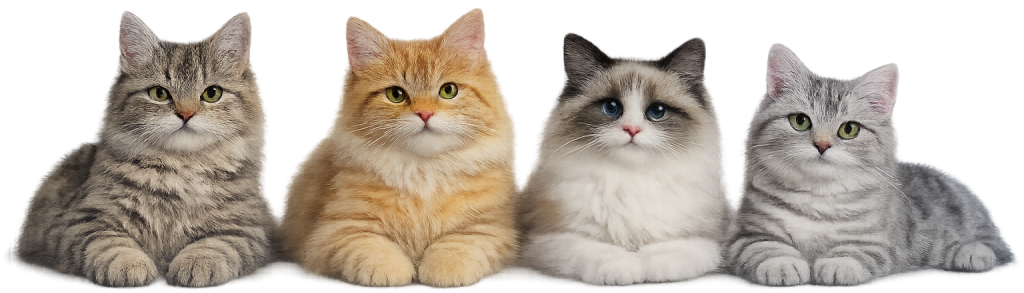
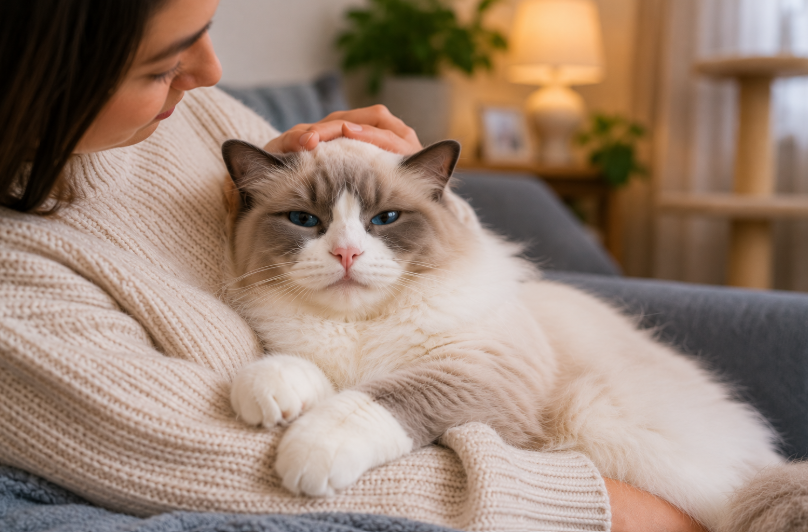
Affectionate Ragdoll Cats are famous for their calm personalities, gentle behavior, and deep emotional attachment to people. Many owners describe them as some of the most loving and emotionally connected cats in the world. Unlike highly independent breeds, Ragdolls often enjoy constant companionship and prefer staying close to family members throughout the day.
Their friendly nature surprises many first-time cat owners. Some Ragdolls greet owners at the door, follow them around the house, or quietly rest nearby during daily routines. This social personality often creates a bond that feels more interactive and emotionally responsive than people expect from cats.
Although every cat develops a unique personality, Ragdolls consistently display affectionate traits because of their breeding history, emotional sensitivity, and relaxed temperament. Their calm attitude allows them to connect with people naturally without becoming overly aggressive or territorial.
Understanding why this breed behaves so affectionately helps owners build stronger relationships and create healthier emotional environments for their pets. More importantly, it helps explain why Ragdolls remain one of the most loved indoor cat breeds worldwide.
The History Behind Their Gentle Personality
The affectionate behavior seen in Affectionate Ragdoll Cats did not happen by accident. Breeders originally developed Ragdolls specifically for calm temperament, gentle interaction, and social companionship.
Early breeding programs focused heavily on emotional stability and friendliness toward humans. Unlike working or highly territorial breeds, Ragdolls were intentionally selected for relaxed and affectionate traits.
Because of this selective breeding, modern Ragdolls often inherit naturally social personalities that encourage emotional closeness with people. Many show unusual tolerance for handling and physical affection compared to other cats.
Their trusting behavior also developed alongside these breeding goals. Ragdolls generally feel more comfortable around people and adapt well to indoor family environments.
Over time, these consistent personality traits helped establish the breed’s strong reputation for loyalty and emotional warmth.
Today, many owners specifically choose Ragdolls because they want a cat that actively enjoys companionship and calm interaction rather than complete independence.
Why Ragdolls Form Strong Emotional Bonds
One reason Affectionate Ragdoll Cats stand out involves their ability to form deep emotional connections with owners. These cats often become strongly attached to the people they trust most.
Unlike distant breeds that prefer isolation, Ragdolls usually seek regular interaction and emotional closeness. Many enjoy sitting beside owners, sleeping nearby, or following them quietly throughout the home.
This behavior reflects emotional security rather than dependency alone. Ragdolls genuinely appear to enjoy companionship and social involvement within household routines.
Their emotional sensitivity also makes them highly responsive to tone of voice, body language, and daily habits. Calm positive interaction strengthens trust naturally over time.
Because of these strong bonds, many Ragdolls dislike long periods of isolation or unpredictable routines. Emotionally stable environments usually support healthier behavior and stronger confidence.
Owners who spend consistent quality time with their cats often notice even greater affection and emotional responsiveness.
Their Calm Temperament Encourages Affection
Another important reason Affectionate Ragdoll Cats behave so lovingly involves their relaxed personality. Calm cats often feel more comfortable approaching people and seeking interaction naturally.
Ragdolls generally avoid aggressive confrontation and rarely display highly defensive behavior without cause. Instead, they often respond to stress quietly by withdrawing or seeking safe resting spaces.
This peaceful temperament allows them to remain emotionally open and approachable during everyday interaction.
Many Ragdolls tolerate petting, brushing, and gentle handling surprisingly well because they naturally prefer calm engagement over conflict or overstimulation.
Their easygoing attitude also helps them adapt more comfortably to indoor living and family environments.
However, calmness should never be confused with emotional indifference. Ragdolls still require attention, affection, and stable routines to feel emotionally secure.
Their relaxed behavior simply creates smoother and more enjoyable companionship for many households.
Why They Follow Owners Around the House
One of the most recognizable habits among Affectionate Ragdoll Cats involves following owners throughout the home. Many people jokingly describe them as furry shadows because they prefer staying nearby constantly.
This behavior usually reflects curiosity, trust, and emotional connection rather than clinginess alone. Ragdolls genuinely enjoy observing daily routines and participating quietly in household life.
Some cats simply sit nearby while owners work or relax. Others actively seek physical contact through gentle rubbing or lap sitting.
Their strong social instincts encourage closeness because they often feel safest around trusted people.
Additionally, Ragdolls learn household routines quickly. Many anticipate feeding times, bedtime rituals, or familiar activities by following owners naturally.
Although many people love this constant companionship, owners should still encourage healthy independence and provide quiet resting spaces when needed.
Balanced emotional support helps prevent anxiety or excessive dependence over time.
How Ragdolls Communicate Affection
Affectionate Ragdoll Cats communicate love and trust in several subtle yet meaningful ways. Understanding these behaviors helps owners recognize emotional comfort more clearly.
Slow blinking commonly signals relaxation and trust. Many Ragdolls also communicate affection through gentle head bumps, purring, kneading, or resting beside owners quietly.
Unlike highly vocal breeds, Ragdolls often communicate softly using gentle chirps or quiet meows rather than loud demanding sounds.
Body language also provides important emotional clues. Relaxed posture, exposed bellies, upright tails, and calm sleeping positions usually indicate emotional security.
Some Ragdolls show affection simply by remaining present nearby throughout the day. Even quiet companionship often reflects strong emotional attachment.
Owners who respond calmly and consistently usually strengthen these affectionate behaviors naturally over time.
Recognizing feline communication helps create deeper emotional understanding between cats and humans.
Why Ragdolls Thrive in Human Company
Many breeds enjoy independence, yet Affectionate Ragdoll Cats often prefer companionship and social interaction. They generally feel happiest when included in household routines and family life.
This social nature makes them especially popular among people seeking emotionally interactive pets rather than distant companions.
Ragdolls commonly enjoy calm environments where owners spend regular time at home. Remote workers, retirees, and families often develop especially strong bonds with them because of consistent interaction.
Although Ragdolls can tolerate short periods alone, excessive isolation may create boredom or emotional withdrawal over time.
Fortunately, companionship does not always require constant activity. Many Ragdolls feel perfectly content simply resting nearby while owners complete everyday tasks.
Their emotional attachment often creates comforting companionship that many people find relaxing and emotionally rewarding.
Affection and Family Life
Affectionate Ragdoll Cats usually adapt extremely well to family environments because of their patient and gentle personality. Many tolerate respectful children surprisingly well and enjoy calm household interaction.
Their relaxed nature often makes them less reactive than nervous or territorial breeds. Because of this, they commonly become deeply involved in family routines and daily activities.
However, respectful treatment remains essential. Even affectionate cats require emotional boundaries and gentle handling to remain comfortable.
Families who teach calm interaction often experience especially strong emotional bonds with Ragdolls.
These cats also tend to enjoy peaceful group environments rather than chaotic or highly stressful households.
Many owners appreciate how naturally Ragdolls blend into daily family life without demanding constant attention aggressively.
Their affectionate presence often creates emotionally warm and comforting home environments.
Do Ragdolls Get Lonely Easily?
Because Affectionate Ragdoll Cats form strong emotional attachments, they may become lonely more easily than highly independent breeds.
Cats left alone for extremely long periods sometimes develop boredom, anxiety, or withdrawn behavior. Some may sleep excessively, overgroom, or vocalize more frequently when emotionally stressed.
Fortunately, emotionally supportive environments help reduce loneliness naturally. Interactive toys, climbing areas, window perches, and predictable routines all support healthier emotional balance.
Some owners also adopt bonded pairs so cats maintain companionship throughout the day.
Quality interaction matters greatly as well. Short calm play sessions, grooming, and simple companionship often provide significant emotional reassurance.
Understanding emotional needs helps owners create healthier routines and prevent avoidable stress.
How Grooming Strengthens Emotional Bonds
Grooming plays a surprisingly important role in the emotional connection shared with Affectionate Ragdoll Cats. Since many Ragdolls enjoy physical attention, brushing often becomes a relaxing bonding experience rather than simple maintenance.
Regular grooming sessions create trust through gentle touch and consistent interaction. Many cats learn to associate brushing with safety, affection, and comfort.
Because Ragdolls have long silky coats, brushing several times weekly also supports healthier fur and reduced shedding naturally.
Owners who groom calmly and consistently often notice stronger emotional trust developing over time.
These quiet routines help reinforce emotional security while improving overall care quality.
Grooming also provides opportunities to monitor physical health and notice changes early.
Small daily care habits frequently strengthen relationships more deeply than owners initially expect.
Their Indoor Lifestyle Supports Closeness
Affectionate Ragdoll Cats usually thrive as indoor pets because of their trusting and social personality. Indoor living naturally increases companionship and emotional interaction with owners.
Unlike adventurous outdoor breeds, Ragdolls often prefer safe familiar environments and regular human connection.
Indoor lifestyles also reduce stress from territorial conflict, environmental danger, and unpredictable outdoor situations.
Comfortable resting areas, climbing structures, and interactive play help support healthy indoor living while encouraging positive companionship naturally.
Because these cats spend so much time near family members, emotional bonds often become even stronger over time.
Indoor safety also protects their trusting personality from risks involving traffic, predators, or unfamiliar animals.
For many owners, this close indoor companionship becomes one of the most rewarding aspects of owning a Ragdoll.
Are Ragdolls Right for Everyone?
Although many people adore Affectionate Ragdoll Cats, this breed may not suit every lifestyle equally well.
People wanting highly independent pets may feel surprised by how socially connected Ragdolls become. These cats generally prefer interaction, emotional involvement, and stable routines rather than constant isolation.
Busy schedules involving frequent travel or little time at home may create emotional challenges for socially sensitive cats.
Additionally, owners unwilling to maintain grooming, companionship, or indoor enrichment may struggle to meet the breed’s needs fully.
However, people seeking calm affectionate pets often find Ragdolls incredibly rewarding companions.
Understanding these emotional expectations honestly helps create healthier matches between owners and cats.
Conclusion
Affectionate Ragdoll Cats remain one of the most beloved breeds because of their calm personality, emotional sensitivity, and strong attachment to people. Their gentle behavior and loyal companionship often create incredibly rewarding relationships within the home.
Unlike distant or highly independent breeds, Ragdolls genuinely enjoy human interaction and emotional closeness. Their relaxed nature allows them to bond naturally through quiet companionship, grooming, play, and daily routines.
These cats thrive best in emotionally supportive homes where owners value calm interaction and consistent attention. Fortunately, their affectionate personality often rewards that care with deep loyalty and comforting companionship.
Most importantly, understanding why Ragdolls behave so lovingly helps owners appreciate the breed more fully while building stronger emotional connections that last for many years.
FAQ
- Why are Ragdolls considered so loving?
They were selectively bred for calm temperament, friendliness, and strong emotional connection with humans.
- Do Ragdolls enjoy being around people constantly?
Many do prefer companionship and often stay close to trusted family members throughout the day.
- Are these cats suitable for families with children?
Yes, their gentle and patient personality often makes them excellent family companions.
- Can Ragdolls become lonely when left alone?
Yes, some may experience boredom or emotional stress during long periods without interaction.
- What helps strengthen trust with affectionate cats?
Consistent routines, gentle grooming, positive interaction, and calm companionship usually build stronger emotional bonds.