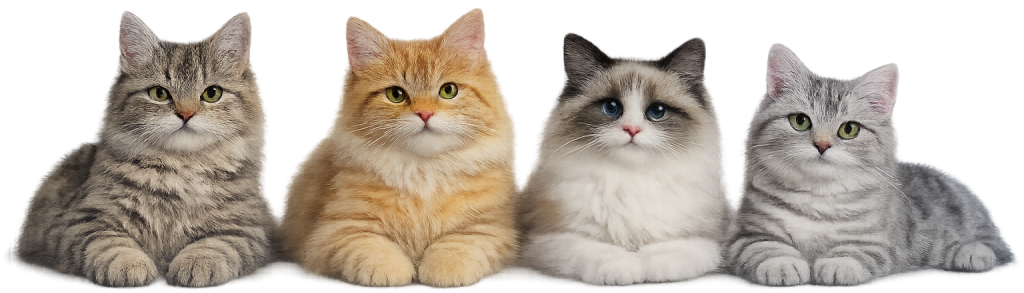
Understanding Ragdoll Cat Health Problems is one of the most important parts of responsible ownership. Although Ragdolls are generally calm, affectionate, and healthy cats, they can still experience certain breed-related health conditions that owners should recognize early. Learning about these risks helps improve prevention, early treatment, and long-term quality of life.
Many Ragdolls live long and comfortable lives with proper nutrition, regular veterinary care, emotional support, and healthy routines. However, ignoring early warning signs or delaying preventive care may allow manageable issues to become more serious over time.
Because Ragdolls are large indoor cats with relaxed personalities, owners must pay close attention to weight management, heart health, grooming, and emotional wellness. Fortunately, many common health concerns become much easier to manage through early awareness and consistent care habits.
The goal is not to create fear around ownership. Instead, informed care allows owners to make healthier decisions that support comfort, longevity, and emotional well-being throughout every life stage.
Why Preventive Care Matters So Much
Preventive care plays a major role in reducing Ragdoll Cat Health Problems before they become severe. Regular wellness routines help detect small changes early, which often improves treatment success and reduces long-term complications.
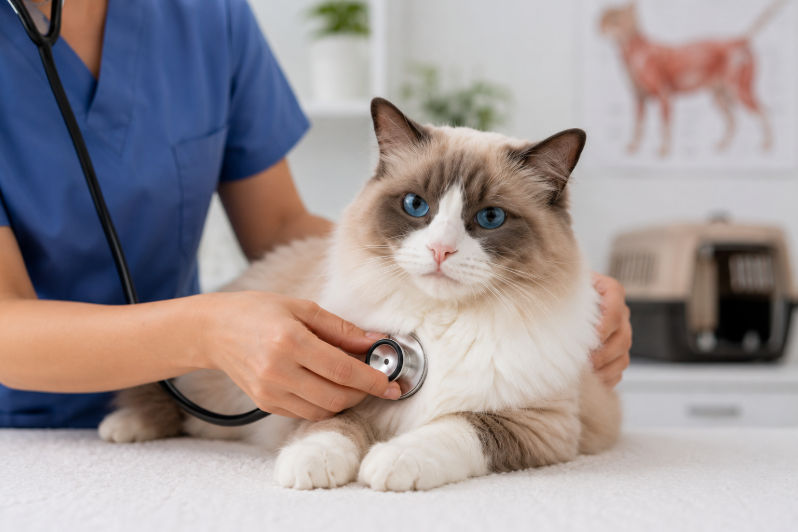
Routine veterinary visits allow professionals to monitor weight, heart function, dental condition, and overall physical health consistently. Early examinations often identify subtle symptoms owners may not notice immediately at home.
Preventive care also includes nutrition, hydration, exercise, grooming, and emotional stability. Healthy daily habits support the immune system while helping reduce stress-related issues naturally.
Because Ragdolls tend to hide discomfort quietly, small physical or behavioral changes deserve attention. Cats instinctively mask weakness, which means early symptoms may appear subtle at first.
Owners who maintain stable routines and monitor behavior closely usually recognize unusual changes faster. This awareness often leads to earlier medical intervention and healthier long-term outcomes.
Consistent preventive care creates stronger protection against many avoidable health complications.
Hypertrophic Cardiomyopathy in Ragdolls
One of the most discussed Ragdoll Cat Health Problems involves hypertrophic cardiomyopathy, commonly called HCM. This heart condition causes thickening of the heart muscle, which may eventually affect circulation and overall heart function.
Although not every Ragdoll develops HCM, the breed carries higher genetic risk compared to some other cats. Responsible breeders often screen breeding cats carefully to reduce hereditary transmission.
Early symptoms sometimes remain difficult to detect because affected cats may appear normal initially. However, reduced activity, breathing changes, weakness, or sudden collapse may eventually occur in more advanced cases.
Routine veterinary checkups and heart evaluations help identify abnormalities earlier whenever possible.
Healthy weight management also supports heart health significantly. Obesity may place additional strain on the cardiovascular system over time.
Owners should monitor breathing patterns and energy levels carefully while reporting unusual changes promptly to veterinarians.
Although HCM sounds frightening, early awareness and regular monitoring often improve long-term management greatly.
Obesity and Weight Gain Risks
Weight gain represents one of the most preventable Ragdoll Cat Health Problems. Because Ragdolls are naturally large and relatively calm cats, obesity may develop gradually without owners noticing immediately.
Indoor lifestyles and low activity levels increase this risk even further. Excess weight places pressure on joints, heart function, and overall mobility while increasing risk for diabetes and other medical concerns.
Healthy nutrition and portion control remain extremely important. Many owners unintentionally overfeed because large cats appear naturally heavy.
Scheduled meals generally work better than unrestricted free-feeding because they help maintain healthier calorie balance.
Regular interactive play also supports healthy weight management naturally. Short daily play sessions improve circulation, muscle tone, and emotional wellness simultaneously.
Owners should monitor body condition regularly instead of focusing only on weight numbers. Visible waist definition and easily felt ribs usually indicate healthier body balance.
Preventing obesity early often reduces many future health complications significantly.
Digestive Problems and Sensitive Stomachs
Digestive sensitivity sometimes appears among Ragdoll Cat Health Problems, especially when diets change too quickly or low-quality food causes irritation.
Vomiting, diarrhea, constipation, reduced appetite, or unusual litter habits may indicate digestive discomfort requiring closer observation.
Fortunately, many digestive issues improve through stable feeding routines and high-quality nutrition. Gradual food transitions help reduce stomach upset while supporting healthier digestion naturally.
Hydration also plays an important role because dehydration may worsen constipation or digestive discomfort.
Some Ragdolls develop food sensitivities involving certain proteins or ingredients. Veterinary guidance helps identify appropriate diets when symptoms become persistent.
Stress occasionally contributes to digestive changes as well because emotionally sensitive cats sometimes react physically to environmental instability.
Routine monitoring of appetite, water intake, and litter box habits helps owners detect digestive issues earlier.
Dental Disease and Oral Health
Dental problems represent another common category among Ragdoll Cat Health Problems. Plaque buildup, gum disease, and tooth decay may gradually affect eating comfort and overall wellness if ignored.
Many owners overlook oral health because symptoms often develop slowly. However, bad breath, drooling, chewing difficulty, or reduced appetite may signal dental discomfort requiring veterinary attention.
Regular dental care helps reduce long-term complications significantly. Cat-safe toothbrushes, dental treats, and professional cleanings all support healthier oral hygiene.
Healthy teeth affect more than eating alone. Untreated dental infections may eventually impact heart, kidney, and immune health as bacteria spread through the body.
Fortunately, preventive care greatly improves long-term dental outcomes. Introducing dental routines early also helps cats tolerate oral handling more comfortably.
Routine veterinary examinations remain especially important because many dental issues develop below the gumline where owners cannot easily see them.
Hairballs and Grooming Issues
Because of their long silky coats, grooming-related concerns sometimes contribute to Ragdoll Cat Health Problems. Hairballs develop when swallowed fur accumulates inside the digestive tract during self-grooming.
Occasional hairballs may appear normal, yet frequent vomiting or digestive blockage risks require attention.
Regular brushing helps reduce loose fur before cats swallow excessive amounts naturally. Most Ragdolls benefit from brushing several times weekly, especially during seasonal shedding periods.
Healthy hydration also supports smoother digestion and easier fur passage through the intestines.
Poor grooming routines may additionally lead to matting, skin irritation, or trapped debris within the coat.
Fortunately, Ragdolls often tolerate grooming well because of their calm and affectionate personality. Short consistent sessions usually create healthier long-term coat condition naturally.
Monitoring skin health during grooming sessions also helps owners notice irritation, parasites, or unusual lumps earlier.
Urinary Tract Concerns
Urinary issues sometimes appear among Ragdoll Cat Health Problems, especially when hydration remains inadequate. Cats naturally drink less water than many animals, which may increase urinary concentration over time.
Symptoms such as frequent litter box visits, straining, crying during urination, or blood in urine require immediate veterinary attention.
Wet food often helps support hydration better because it naturally increases moisture intake. Fresh clean water should also remain available in multiple quiet locations throughout the home.
Stress reduction matters greatly as well because emotionally sensitive cats sometimes develop urinary symptoms during environmental instability.
Clean litter boxes encourage healthier urination habits naturally. Many cats avoid dirty or stressful litter environments.
Early intervention becomes extremely important because untreated urinary blockage may become life-threatening rapidly.
Fortunately, hydration support and stable routines often help reduce risk significantly.
Joint Stress and Mobility Problems
Because Ragdolls are large cats, joint strain occasionally contributes to long-term Ragdoll Cat Health Problems as they age. Excess weight further increases pressure on hips, knees, and spine over time.
Owners may notice reduced jumping, stiffness, slower movement, or hesitation during physical activity if discomfort develops gradually.
Healthy weight management remains one of the most effective prevention strategies for protecting mobility.
Soft resting areas and accessible climbing structures also support joint comfort naturally. Older cats especially benefit from easier access to favorite sleeping spots without excessive jumping.
Gentle play and moderate activity help maintain muscle strength and circulation while avoiding unnecessary strain.
Veterinary evaluations help determine whether arthritis or other mobility concerns require treatment or environmental adjustment.
Comfort-focused care greatly improves long-term quality of life for aging cats.
Stress and Emotional Health
Emotional wellness strongly influences physical health as well. Stress-related issues represent an overlooked category of Ragdoll Cat Health Problems because emotionally sensitive cats often react strongly to unstable environments.
Loud conflict, chaotic routines, isolation, or sudden changes sometimes contribute to withdrawal, digestive issues, overgrooming, or litter problems.
Fortunately, emotionally supportive environments help reduce stress naturally. Predictable routines, quiet resting areas, regular interaction, and gentle communication all support emotional stability.
Because Ragdolls thrive through companionship, emotional neglect may affect them more deeply than highly independent breeds.
Interactive play, grooming, and calm daily routines strengthen emotional security significantly.
Owners should observe behavior changes carefully because emotional discomfort sometimes appears through subtle physical symptoms initially.
Balanced emotional care remains just as important as physical healthcare throughout life.
How Nutrition Supports Prevention
Healthy nutrition strongly affects nearly every category of Ragdoll Cat Health Problems. Balanced diets support weight control, digestion, coat quality, immune health, and cardiovascular wellness simultaneously.
High-quality protein remains especially important because cats are obligate carnivores requiring animal-based nutrients for healthy body function.
Hydration support also matters greatly. Wet food often improves moisture intake while reducing urinary and digestive risks naturally.
Portion control helps prevent obesity, which contributes to many long-term health complications.
Owners should avoid sudden dietary changes whenever possible because digestive sensitivity sometimes develops with rapid food transitions.
Veterinary guidance helps identify appropriate feeding strategies for kittens, adults, seniors, or cats with medical conditions.
Consistent nutrition forms one of the strongest foundations for lifelong wellness and disease prevention.
Why Regular Vet Visits Are Essential
Routine veterinary care remains one of the most effective tools for preventing serious Ragdoll Cat Health Problems. Professional examinations help identify subtle symptoms before conditions become advanced.
Annual wellness exams generally support healthy adults, while seniors or medically sensitive cats may require more frequent monitoring.
Vaccinations, dental evaluations, weight assessments, bloodwork, and heart monitoring all contribute to long-term preventive care.
Many conditions respond much better when discovered early. Delaying evaluation often allows treatable problems to worsen unnecessarily.
Owners should also report behavioral changes honestly because appetite shifts, hiding, reduced activity, or litter changes may indicate underlying illness.
Preventive medicine often improves both longevity and comfort significantly.
Conclusion
Although Ragdolls are generally loving and healthy cats, understanding common Ragdoll Cat Health Problems helps owners provide safer and more responsible long-term care. Early awareness allows prevention, faster treatment, and healthier daily routines throughout every life stage.
Heart disease, obesity, digestive sensitivity, dental concerns, urinary issues, and emotional stress all deserve careful attention. Fortunately, many of these problems become much easier to manage through preventive care and consistent routines.
Healthy nutrition, hydration, grooming, emotional support, exercise, and veterinary monitoring all work together to protect long-term wellness naturally.
Most importantly, informed ownership creates better quality of life for these affectionate cats. With thoughtful care and early intervention, many Ragdolls enjoy long, comfortable, and emotionally rewarding lives beside the families who love them.
FAQ
- What is the most common health concern in Ragdolls?
Hypertrophic cardiomyopathy is one of the most recognized inherited heart conditions affecting the breed.
- Can healthy diets reduce medical risks?
Yes, balanced nutrition supports heart health, digestion, weight control, and overall wellness significantly.
- Why are regular vet visits important for indoor cats?
Routine exams help detect hidden illnesses early, even when cats appear healthy outwardly.
- Do long-haired cats require more grooming care?
Yes, regular brushing helps reduce hairballs, matting, shedding, and skin irritation problems.
- Can stress affect feline physical health?
Yes, emotional stress sometimes contributes to digestive problems, overgrooming, urinary issues, and behavioral changes.